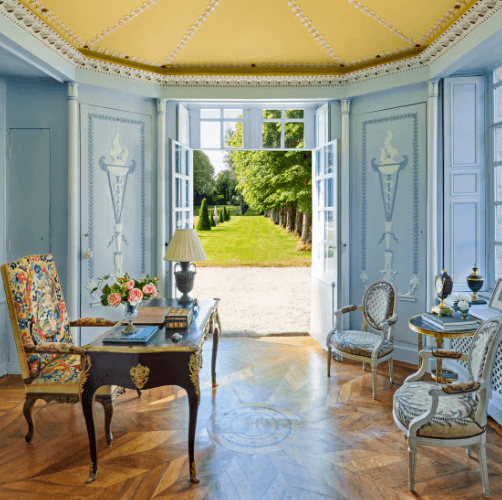
Flooring sets the mood of a stylish home, balancing texture, grain, and scale. Hard surfaces offer durability and clean lines for high-traffic zones, while soft textures soothe bedrooms and lounges. Layer finishes with intentional contrasts—gloss, matte, natural imperfections—to create depth. Transitions should feel cohesive, with modular accents that adapt over time. The plan hinges on durable materials and mindful maintenance, inviting careful choices that endure; the next step reveals how to align them with personal style.
What Flooring Vision Fits Your Style?
Flooring choices reveal nearly as much about a home’s vibe as its furnishings. A vision emerges from texture, grain, and scale, guiding the room’s mood without surrendering personality. Textured tones anchor warmth, while pattern contrasts inject rhythm and modernity. The ensemble favors intentionality: a flexible palette, deliberate contrasts, and spaces that feel unconfined yet cohesive for those who value freedom.
Hard vs. Soft Surfaces: Pros, Cons, and Use-Cases
Hard and soft surfaces each bring distinct tactile and performance traits to a space, shaping acoustics, maintenance, and daily comfort. Hard surfaces deliver durability, crisp reflection, and easy cleanup, while soft textures encourage warmth, sound absorption, and gentle touch. Use-cases favor hard texture in high-traffic zones; soft tactile prefers bedrooms or lounges, balancing style with practical resilience and expressive freedom.
Practical Upgrades That Elevate Every Room
Practical upgrades that elevate every room build on clear, actionable moves that respect both durability and style. Thoughtful material choices steer flexibility: layer textures with lifestyle materials for warmth, contrast, and ease. Prioritize maintenance routines that minimize effort yet maximize longevity. Scale and alignment matter: modular accents, discreet transitions, and durable finishes create cohesive space without sacrificing personal freedom.
Budget, Installation, and Maintenance Takeaways
A succinct synthesis of budget, installation, and maintenance considerations guides homeowners toward durable results without overextension: this involves balancing upfront costs with long-term value, selecting installation methods that fit both space and lifestyle, and establishing routines that preserve finish and performance over time.
Cost analysis informs choices, while installation timelines shape pacing, expectations, and ultimately, confident, stylish flooring decisions.
Frequently Asked Questions
How Do I Choose Flooring That Hides Scuffs and Wear?
A careful evaluator notes that to camouflage scuffs, one chooses scuff resistant finishes and durable textures. The approach prioritizes low-maintenance materials, subtle colorways, and forgiving grain, enabling a stylish, freedom-loving space that ages gracefully while remaining trend-conscious.
Which Flooring Works Best With Pets and Allergies?
Pet friendly, allergy safe options include high-quality vinyl plank, ceramic tile, and sealed hardwood. The detached observer notes durable surfaces resist fur and dander, while easy maintenance and chic textures satisfy trend-conscious homeowners seeking freedom and practical elegance.
Can Flooring Improve Room Acoustics Without Expensive Upgrades?
Creating better acoustics is possible with budget friendly upgrades and acoustic flooring, which dampens sound reverberation without flashy tricks. It’s a smart, trend-conscious choice that quietly lets freedom ring while maintaining stylish, practical spaces.
See also:What Is Robotics Technology
What Are Eco-Friendly Flooring Options With Long-Term Durability?
Eco-friendly flooring options with long-term durability include bamboo, reclaimed wood, cork, and linoleum, paired with water-based finishes for longevity. Eco friendly finishes sustain surfaces, while durable understains protect color, enhance resilience, and support a trend-conscious, freedom-seeking interior narrative.
How Often Should I Refinish or Reseal Certain Floors?
Refinishing frequency depends on wear, typically every 3–7 years; resealing as needed. How often should be based on surface use and finish. Maintenance schedules balance aesthetics and practicality, guiding proactive refinishing rather than reactive, like a well-timed refresh.
Conclusion
Good flooring blends texture, durability, and mood, guiding a home’s story from entry to sanctuary. In one project, a coastal gray oak floor met soft wool rugs and matte ceramic tiles, proving contrast breeds character. Data from designers shows homes with mixed finishes sell 5% faster than uniform schemes, underscoring versatility’s value. Floors should adapt—hard in high-traffic zones, plush where you linger. When well-planned, the surface reads timeless, yet always in vogue, like a well-curated wardrobe.