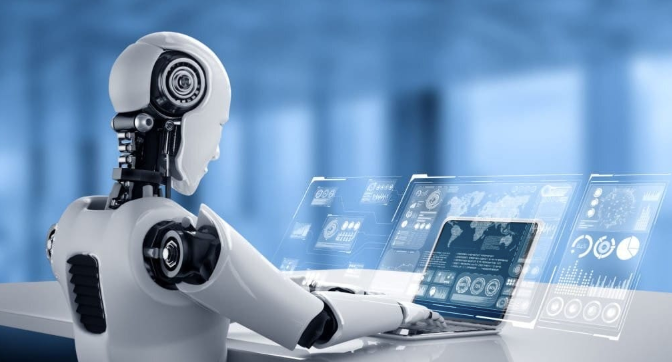
Robotics technology involves the systematic design, construction, and application of robots for various tasks. These programmable machines possess the capability to operate autonomously or semi-autonomously, relying on key components such as sensors and control systems. The integration of robotics has transformed numerous industries, enhancing efficiency and precision. However, as this field continues to evolve, the implications and future developments warrant further exploration. What advancements lie on the horizon?
Understanding Robotics Technology
Robotics technology encompasses the design, construction, operation, and use of robots, which are programmable machines capable of carrying out a series of actions autonomously or semi-autonomously.
The evolution of robotics history highlights milestones in automation, while robotics ethics addresses the moral implications of robotic integration into society.
Understanding these dimensions is crucial for fostering responsible development and ensuring that technology aligns with human values and freedoms.
Key Components of Robotics
A comprehensive understanding of robotics requires an examination of its key components, which include sensors, actuators, control systems, and software.
Sensors types, such as proximity and vision sensors, gather environmental data, while actuator functions, including motors and servos, facilitate movement and interaction.
Control systems process sensor information to execute desired actions, enabling robots to operate autonomously and efficiently in diverse settings.
Applications of Robotics in Various Industries
As industries increasingly adopt automation to enhance efficiency and productivity, the applications of robotics have expanded significantly across various sectors.
Industrial automation streamlines manufacturing processes, while robotic surgery improves precision in medical procedures.
Agricultural robotics optimizes crop management, and warehouse logistics benefit from automated sorting systems.
Additionally, autonomous vehicles revolutionize transportation, demonstrating the versatile impact of robotics across diverse fields.
See also: What Is Quantum Computing
The Future of Robotics Technology
Innovations lie ahead for robotics technology as advancements continue to accelerate. Future developments in autonomous systems promise enhanced efficiency across various sectors.
However, these innovations pose significant ethical implications, necessitating a framework for responsible integration.
The interplay of AI and robotics will likely redefine labor dynamics and societal structures, urging stakeholders to consider the balance between technological progress and ethical accountability in deployment strategies.
Conclusion
In conclusion, robotics technology stands at the forefront of innovation, driving advancements across multiple sectors. By integrating key components such as sensors and actuators, robots enhance operational efficiency and precision. As industries continue to embrace automation, the potential for robotics to revolutionize workflows is undeniable. The future may hold challenges, but with the right investments and research, the sky’s the limit for this transformative field, ensuring that society will reap the benefits of its groundbreaking capabilities.