BrightnessControl Complete Guide to Managing Screen Brightness on Digital Devices
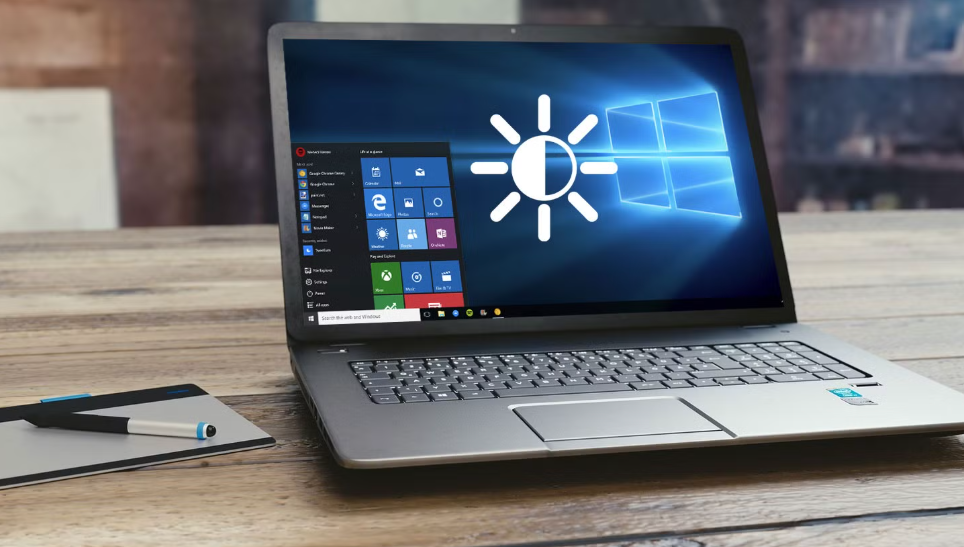
BrightnessControl is an important feature in modern electronic devices that allows users to adjust the brightness level of their screens. Whether using a smartphone, laptop, tablet, or television, brightness control helps users create a comfortable viewing experience. By adjusting the screen brightness, individuals can reduce eye strain, improve visibility, and save device battery life.
In today’s digital world, people spend many hours using screens for work, education, entertainment, and communication. Because of this, proper BrightnessControl has become an essential feature that supports both comfort and device performance. Most modern devices include automatic and manual brightness settings that help users adjust screen light according to their environment.
Understanding how BrightnessControl works can help users use their devices more efficiently and protect their eye health.
What is BrightnessControl
BrightnessControl refers to the ability to adjust the intensity of light emitted from a digital screen. This feature allows users to increase or decrease screen brightness depending on their surroundings and personal preferences.
For example, when using a device in bright sunlight, users may increase the brightness to make the screen easier to see. In darker environments such as at night, reducing brightness helps prevent eye discomfort.
Most modern devices include built-in brightness settings that allow users to control the screen light quickly through system settings or quick-access controls.
Importance of BrightnessControl in Daily Device Use
BrightnessControl plays an important role in improving the user experience when interacting with digital screens. Without proper brightness settings, screens may appear too bright or too dim, making it difficult to view content clearly.
One major benefit of adjusting brightness is eye comfort. Very bright screens can cause eye strain, headaches, and fatigue during long periods of use. Lowering the brightness to a comfortable level helps reduce these problems.
Another important advantage is energy efficiency. High brightness levels use more battery power, especially on mobile devices. By managing brightness carefully, users can extend the battery life of their devices.
Types of BrightnessControl Settings
Most modern devices offer different ways to control screen brightness. These options help users adjust their screens according to their needs.
Manual Brightness Adjustment
Manual brightness control allows users to set the brightness level themselves. This is usually done through the device settings or quick-access brightness slider.
Users can increase or decrease brightness instantly based on their environment.
Automatic Brightness
Automatic brightness uses sensors that detect surrounding light conditions. The device automatically adjusts the screen brightness based on the amount of light in the environment.
For example, in a dark room the screen becomes dimmer, while in bright outdoor conditions it becomes brighter.
Adaptive Brightness
Adaptive brightness is an advanced feature that learns from user behavior. Over time, the device remembers preferred brightness levels in different environments and adjusts automatically.
This feature helps create a personalized viewing experience.
Benefits of Using BrightnessControl Properly
Using BrightnessControl correctly offers several advantages for device users.
First, it improves visual comfort. Proper brightness settings reduce strain on the eyes and make reading or watching content easier.
Second, it saves battery power. Lower brightness levels reduce energy consumption, which helps mobile devices last longer between charges.
Third, it improves screen visibility. Adjusting brightness based on lighting conditions ensures that text, images, and videos remain clear and easy to see.
These benefits make brightness control an essential feature for everyday device use.
BrightnessControl for Eye Health
Eye health is an important consideration when using digital screens. Long hours of screen exposure can cause digital eye strain, which includes symptoms such as dry eyes, blurred vision, and headaches.
BrightnessControl helps reduce these problems by allowing users to match screen brightness with the surrounding lighting conditions. Screens that are too bright compared to the environment can cause discomfort.
In addition to adjusting brightness, users can follow other practices such as taking regular breaks from screens and maintaining proper viewing distance to protect eye health.
BrightnessControl in Different Devices
Brightness control features are available on many types of electronic devices.
Smartphones and tablets allow users to adjust brightness through quick settings menus or system preferences. Many mobile devices also include automatic brightness features.
Laptop and desktop computers provide brightness controls through keyboard shortcuts or operating system settings. Some monitors also include physical buttons to adjust brightness.
Televisions and smart displays also offer brightness settings that improve picture quality and viewing comfort.
Each device may offer slightly different controls, but the purpose remains the same: to provide a comfortable viewing experience.
Future of BrightnessControl Technology
As display technology continues to evolve, brightness control features are becoming more advanced. New technologies aim to improve screen quality while protecting user comfort.
Some modern devices now include blue light filters that reduce harmful light emissions during nighttime use. Other technologies adjust screen color temperature along with brightness to create a more natural viewing experience.
Future displays may include intelligent systems that automatically optimize brightness, contrast, and color based on user activity and environment.
These innovations will make screen usage safer and more comfortable for users around the world.
Conclusion
BrightnessControl is an essential feature that allows users to adjust screen brightness for better visibility, comfort, and energy efficiency. By managing brightness levels properly, users can reduce eye strain, improve battery life, and enjoy a clearer viewing experience.
Modern devices offer several brightness control options, including manual adjustment, automatic brightness, and adaptive brightness. These features help create a personalized and comfortable screen experience in different environments.
As technology continues to improve, brightness control systems will become even more advanced, helping users interact with digital devices in a healthier and more efficient way.